

Dislocation and vulnerability: Lucy Black on crafting historical fiction
Dislocation and vulnerability: Lucy Black on crafting historical fiction
September 22, 2026
—
7–11 minutes to read
Sheelagh Caygill
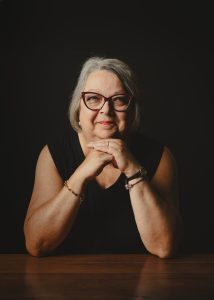
Author Lucy E. M. Black
Lucy E.M. Black is an award-winning author whose short stories have been published in Britain, Ireland, USA and Canada in a variety of literary journals and magazines. Her novels include A Quilting of Scars, The Marzipan Fruit Basket, Eleanor Courtown, Stella’s Carpet, The Brickworks, and Class Lessons: Stories of Vulnerable Youth. In spring 2027 Lucy’s novel The Mural will be published by Now Or Never Publishing. Lucy lives in Port Perry, Ontario, the traditional territory of the Mississaugas of Scugog Island, First Nations. Find Lucy on Facebook and Instagram.
Listen to Lucy E. M. Black’s podcast interview with Oncreativewriting.com.
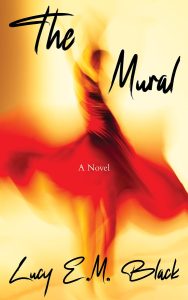
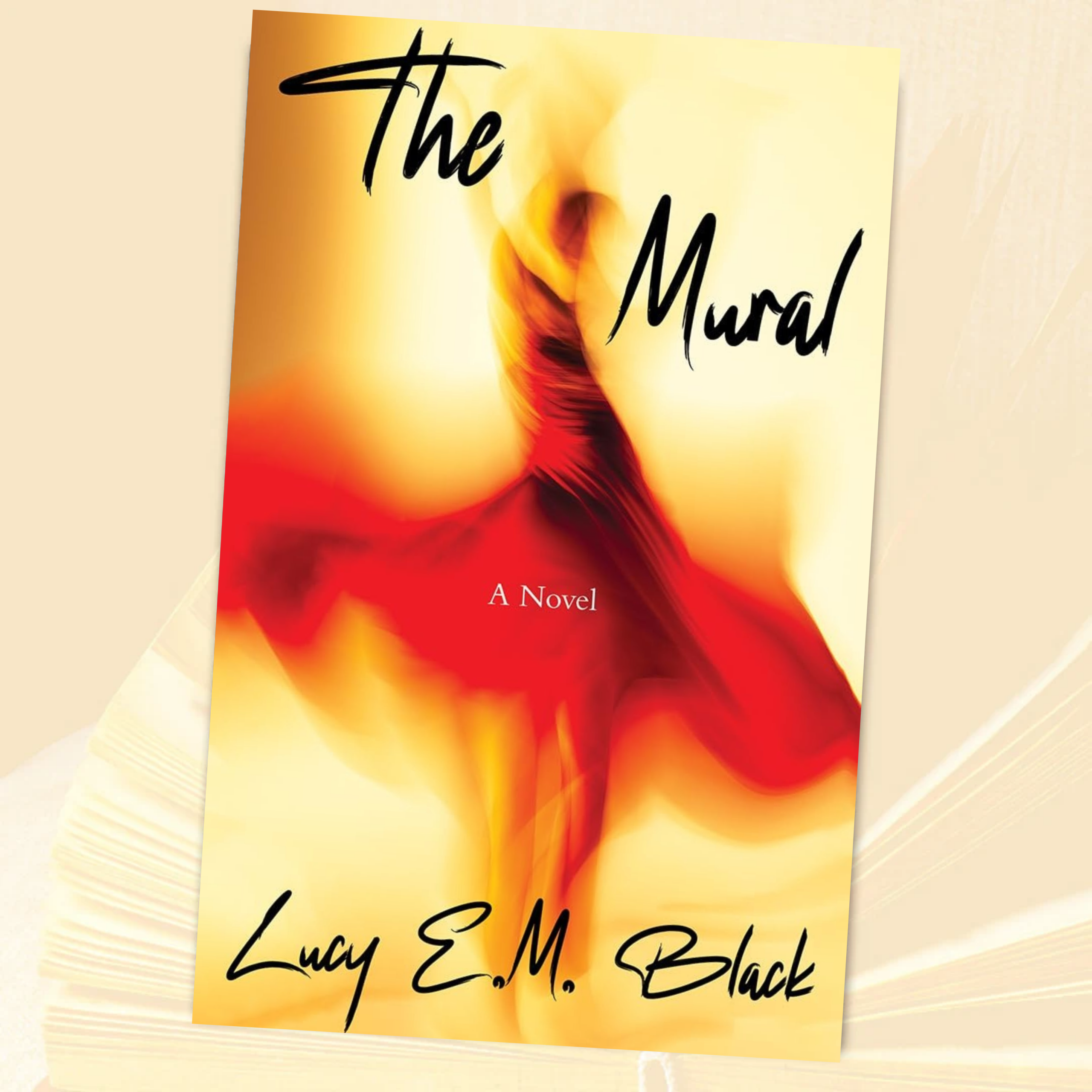
The Mural by Lucy E. M. Black is published in spring, 2027.
Synopsis: The Mural by Lucy E.M. Black is set in Toronto, 1980s. Shirley’s inner world is saturated with storybook romance—the perfect soulmate, the transformative love, the life that gleams just out of reach. But as the years accumulate, so do loss, compromise, and the quieter textures of real intimacy. Gradually, the borrowed scripts of romance fall away, and Shirley must reckon with who she actually is, and what—and whom—she actually loves. The Mural is a deftly observed novel about the gap between romantic fantasy and lived experience, the slow education of the heart, and the unexpected depth that can take root in long-term relationships when we finally stop looking for something else.
OCW: Has your writing evolved over the years? If so, how? Through writing experience? Reading a lot? Writing courses or communities? A combination, or something else?
LEMB: I hope my writing has evolved! I’ve evolved and my life experiences have accumulated so I hope those things have found their way into my creative work.
I read widely and often, typically six to ten books a month. Reading other people’s work is enjoyable but also instructive. When I read, I am also taking note of things the author has done well, and I pause to appreciate a beautiful description or line of text.
I’ve taken many writing courses and workshops over the years and I always take away something new that has challenged me in terms of my creative practices. One of the most helpful courses I took in this regard was with the Humber School of Writing. It was a correspondence course that linked me with a writing mentor. I had completed a large body of work but didn’t know what to do with it all. My mentor reviewed hundreds of pages of text and gave me very constructive feedback but she also encouraged me to pull a short story story collection together for publication. Her personalized feedback was empowering.
And finally, the one thing that I think has been the most helpful overall, is to be in a small writing group with serious and like-minded writers. We meet monthly to critique each other’s work and to celebrate our writing successes. Being accountable to a small group of writers who are as invested in my work as I am in theirs is an incredible experience.
Exploring themes of dislocation and vulnerability
OCW: Can you trace any common themes across your writing?
LEMB: Yes, I would say that there are two recurring themes in my body of work, to date. The first is dislocation and the second is vulnerability. My first book was a collection of short stories called The Marzipan Fruit Basket. Each of the stories capture a moment or event in a woman’s life where she was reconciling her place in the world – dealing with a life change and feeling dislocated.
In my historical fiction novel, Eleanor Courtown, the main character leaves her privileged life as a member of the Anglo-Irish to journey to the backwoods of Ontario.
In Stella’s Carpet, also historical fiction, the protagonist is working through her grandparents’ WWII war experiences, the impact those had on her mother (intergenerational trauma), and how both she and her family were adjusting to the many changes and challenges in their lives.
The Brickworks came next and while the heart-of-the-story is about progressivist ideology, the main characters emigrate from Scotland, move to the United States, and then settle in Ontario where they start a brickworks. The incredible changes that these two characters navigate highlight the merits of technological advances but also the pitfalls.
Class Lessons: Stories of Vulnerable Youth is a creative-non-fiction short story collection. It is based upon my experiences as an educator dealing with vulnerable young people and their families.
And finally, A Quilting of Scars is historical fiction again, and tells the story of two vulnerable boys who are close friends and are dealing with questions about their own sexuality.
The hugely successful novel A Quilting of Scars by Lucy E. M. Black published in 2025.
Aim to be a literary citizen
OCW: Which authors and/or types of books do you like to read?
LEMB: My first love is historical fiction but I also read political commentary, history, women’s upmarket fiction, thrillers, literary fiction and biography. I endeavour to read as many new releases from the Canadian independent presses as I can.
We are fortunate in this country to have so many small presses that haven’t been swallowed up by the big five. I prioritize reading and celebrating those books as a way of supporting other Canadian writers. I believe that all writers have a responsibility for literary citizenship and for me this means reading Canadian books, writing book reviews for Canadian books, and highlighting Canadian writers on my social media and in my newsletter.
OCW: Are you a plotter or a pantser? (For writers or short stories and novels).
LEMB: This is an interesting question. Often when I write a short story, the story has come to me fully formed. I mean that I know the beginning, the middle and the end. I know the characters, their speech patterns, their motivations. So, when writing a short story, I’m a pantser. I simply record the story-film that has already played out in my head.
When taking on a larger project, however, like a novel, I begin as a plotter. I create a timeline, a storyline, plan the opening, the high spots, and the ending. I work on character development, choosing their name, finding reference photos to use for their physical description, identify the type of clothing they wear and any idiosyncrasies or speech patterns unique to them. Once I begin to write first draft, I follow the plan but I also listen to my characters and they may sometimes take me in a different direction. I have learned to listen to those voices and deviate from the original plan, thus becoming a pantser again.
The act of writing is like exercising a muscle
OCW: What advice/guidance would you give to writers?
LEMB: Others may not necessarily agree with me, but I think the act of writing is akin to muscle development. I believe it needs daily and regular exercise with increasing amounts of development.
First and foremost, I think that good writers are also voracious readers. It’s critical to explore and enjoy the world of story regularly and to learn from other writers.
Find a dedicated writing space
Secondly, a designated space, however small, to write is important. Your laptop, resources, references, and other materials need to be kept together in a special purpose area so that everything is always ready for your use. I’m fortunate in that I now have a designated writing room but for years I made do with a small desk in the corner of a shared use space. Writing for me consists of three overlapping components: pre-writing (ie., research, compiling resources, developing planning sheets, plotting, etc.,), writing and editing. I have disciplined myself to work on one of those components every single day – for however long I can commit. Some days it can only be for ten minutes but sometimes I can spend a whole day at it. Also, I find it’s really important to be uninterrupted during that time. Some writers listen to music or wear earphones to block out distractions.
And lastly, when I’m stuck on a writing project, I turn to my resource books and flip through them until I find something that prompts a thought or an idea and helps to get me back in the story. One of my favourite of such books is Stephen King’s book, On Writing.
OCW: Do you edit as you write, or write and edit later?
Editing is the most important writing task
LEMB: Hemingway is attributed with having said, “The first draft of anything is shit.” I believe that editing is one of the most important aspects of writing.
My first attempt at writing anything is essentially words spewed on a page. I don’t worry about spelling, grammar, punctuation, or language. I concentrate on getting the story down. When I sit down to write the following day, I do a quick and light edit of the previous day’s work. I find that helps me get back into the story. Again, I do not worry over-much about the technical aspects of the story.
Once I have completed a first draft, the real editing work begins. I typically do ten-fifteen complete edits on a manuscript. The first full edit is a technical edit. The second full edit is a language edit where I review word choice and attempt to beautify the sound of the story.
I have trusted beta readers who give me feedback on the story’s trajectory and tension. I have one reader who is an excellent copy editor. Because I write historical fiction, I often have a historian or other expert review pages with very specific research-based detail.
Once I have satisfied myself that I have incorporated suggestions and polished the work as well as I can, I hire a story editor. That person is paid to read the manuscript and dig deep into the heart of the story and provide detailed feedback on the ways the manuscript might be improved. I make those changes that I agree with and then I hire a copy editor who completes a technical edit for me.
On Creative Writing podcast, author interviews, and book reviews
Land Acknowledgement
On Creative Writing respectfully acknowledges that we live and create on the traditional lands and territories of Indigenous Peoples, including the Anishinaabe, Dené, Nehiyawak (Cree), Niitsitapi (Blackfoot), Otipemisiwak (Métis), Sioux Nakoda, Stoney Nakoda, Tsuu T’ina and more. This land is subject to Treaty 6. This land has long served as meeting grounds, travel.